

Case Studies
Behind the Results.
No inflated promises. No impressive-looking numbers without context. Here’s the real work behind improvements in organic traffic, search visibility and enquiries — with the strategy, implementation and results to back it up.
Search Orchard helps ambitious businesses grow through technical SEO, international search strategy, AI search optimisation and website development. I develop the strategy and do the work myself.
- 20+Client engagements
- 100M+Organic impressions
- 7+Industry sectors
- €2MRevenue from digital marketing leads
Case Studies
Good SEO isn't just about knowing what to fix. It's about understanding why something isn't working, what the business actually needs, and which changes are worth making. These case studies show the thinking behind the work, not just the results.
01 / B2B Manufacturing
CNC Manufacturing SEO
Multiple website migrations had left serious technical issues and declining search performance. I led the technical recovery, optimised core service and product pages, and restructured the site where needed.
+197% customer enquiries · 3× organic traffic
Read the case study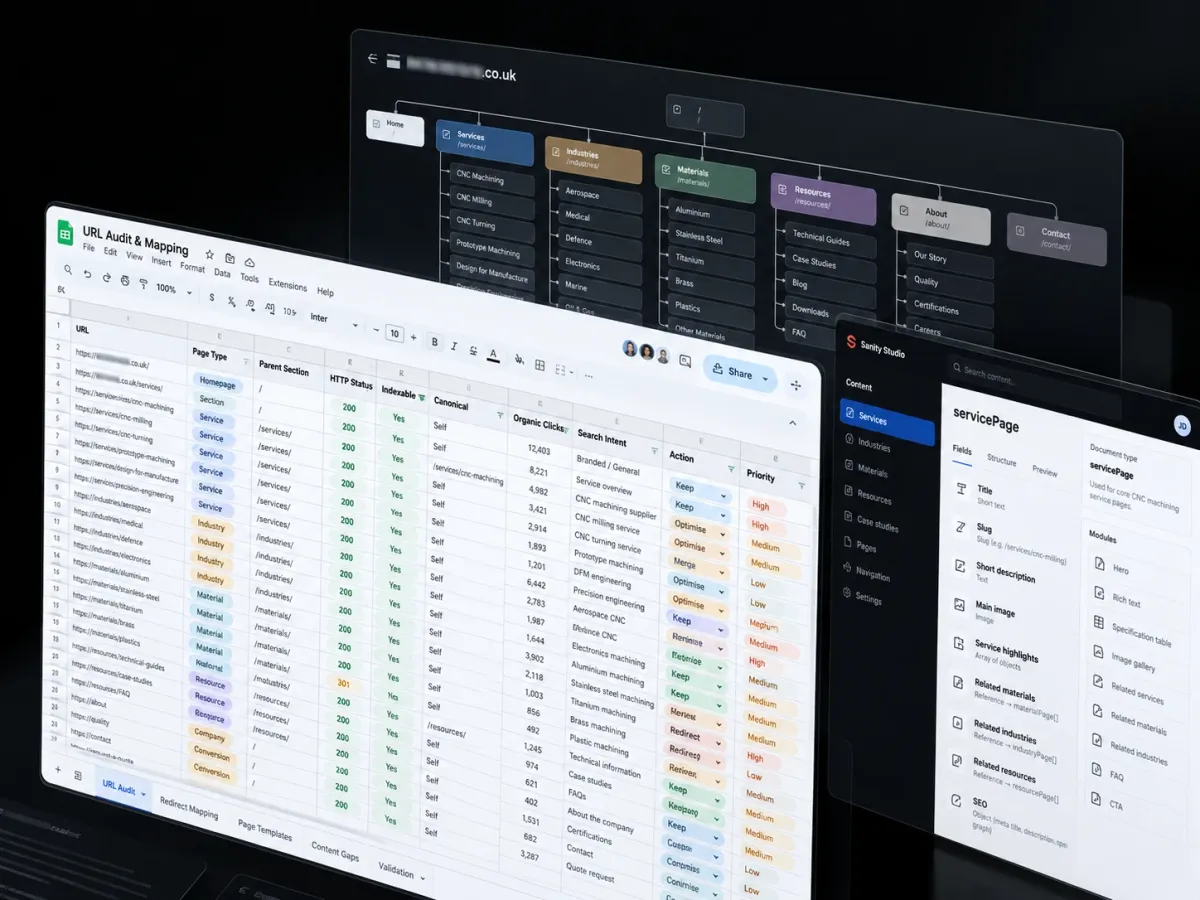
02 / E-commerce
Pet Products E-commerce SEO
A new online pet shop built from the ground up, with SEO considered from the start. The store is now entering its third month, with ongoing work focused on organic visibility, product discovery and the shopping experience — without paid advertising.
Ongoing Project · Launched 2026
Read the case study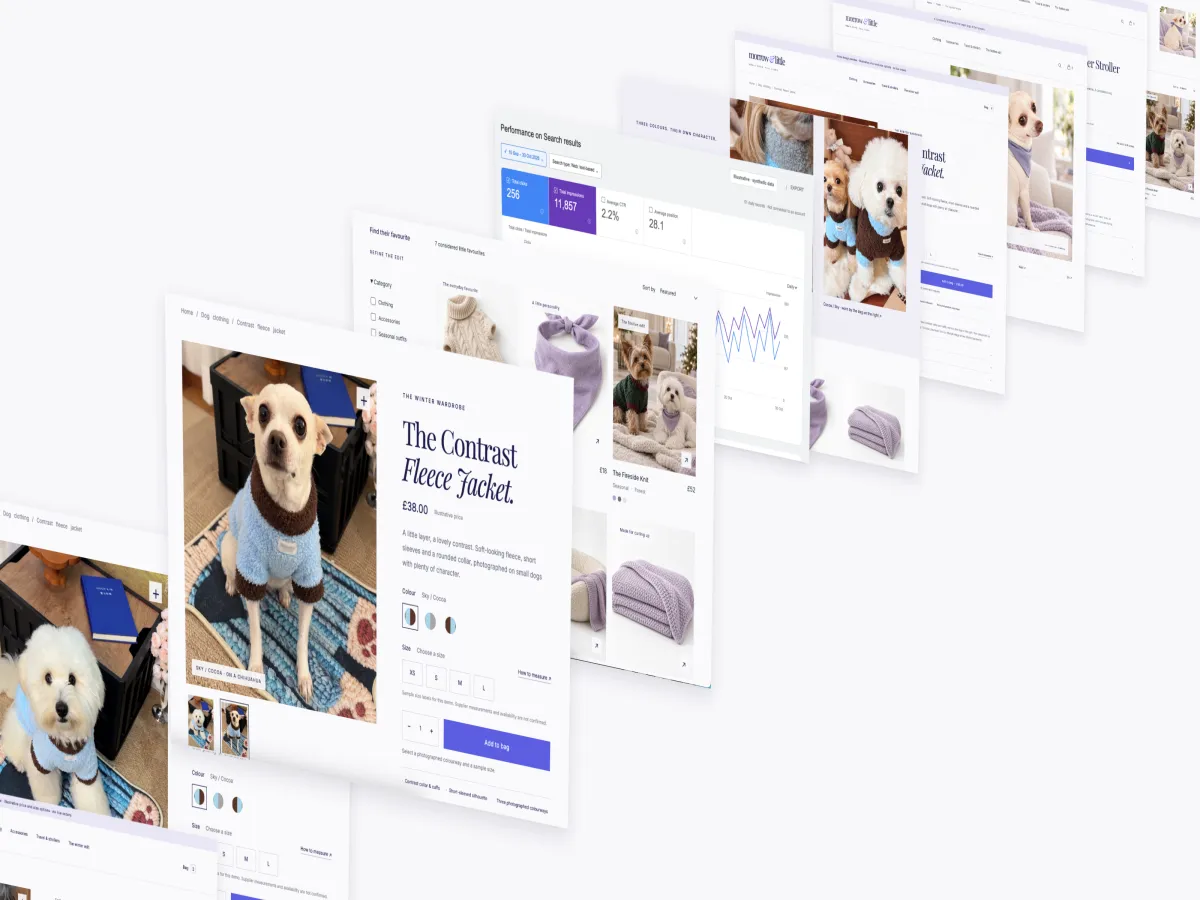
03 / SaaS
SaaS SEO
Due to an NDA with the client, this case study focuses on the challenges I faced, how I approached them and the work I carried out, without disclosing confidential information.
Confidential Project
Read the case study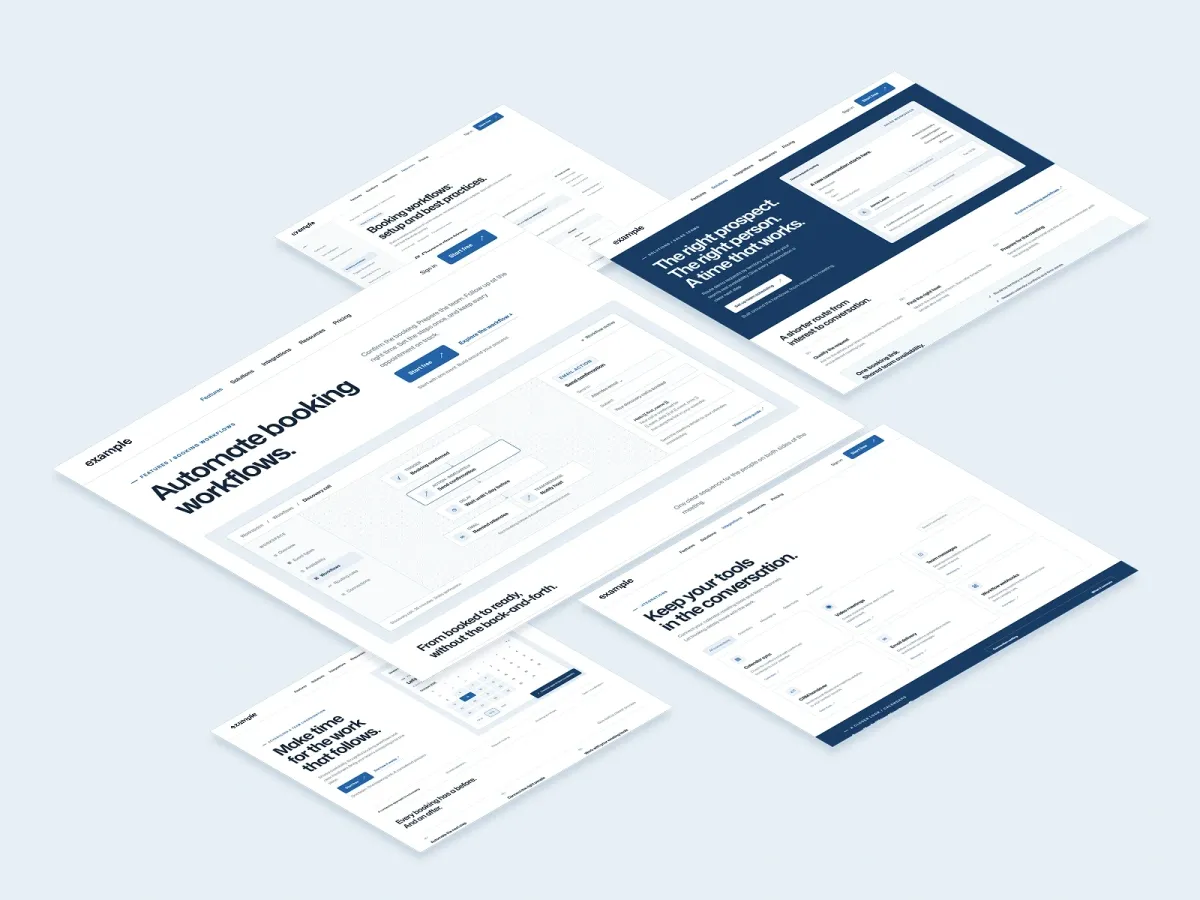
Frequently Asked Questions
Can I expect similar results for my website?
Probably not the same numbers, and I'd be wary of anyone who promised them. The CNC project was a recovery: the demand and the authority were already there, and fixing the technical damage let the site win back what it had lost. A new shop starts with no visibility at all, and an established business may already rank for its main terms. What I can assess before we start is how much search demand exists, who you're up against, where you stand today and how easily changes can be made on your site.
How do you know which SEO changes actually made a difference?
I record when each change goes live and which pages it touches, then compare those pages and their queries with the period before, and with the same weeks last year if your business is seasonal. Pages I haven't changed give a rough baseline. I also ask what else happened: a price change, an ad campaign, a trade fair. More impressions show visibility, not success; what counts is enquiries or sales from organic search. Where I can't connect a result to revenue, I don't claim it.
Would you rebuild my website if the structure was causing SEO problems?
Only if repairing it would cost more than replacing it, and that's rarer than most people expect. Every migration puts rankings at risk, and a site that has already been through several often carries the damage. On the CNC project the answer was recovery first: fix the technical problems, improve the core service and product pages, and restructure only where the structure was clearly holding the site back. URLs that already rank or attract links stay where they are unless there's a strong reason to move them.
What if my website is new and has no search traffic yet?
Then the work starts with demand rather than diagnosis. I look at what your customers actually search for and which of those searches you can compete for, then plan pages around them instead of mirroring your internal categories. The technical basics matter more than usual: search engines need to find, crawl and index the right pages from the start, and analytics and Search Console should be in place before launch. Early on, look for indexed pages and growing impressions. Sales from organic search take longer, and nobody can honestly promise when.
Why are some case studies anonymous?
Some projects are covered by a confidentiality agreement, and some clients simply prefer not to be named. In those cases I describe the type of business, the problems, how I approached them and the work I did, but not the company, its data, its internal documents or screenshots of its accounts. I can't share that material privately either unless the client agrees. Where an anonymous case study needs a visual, I use illustrative artwork, not original client material, so please read those images as illustrations rather than evidence.
Have a project in mind?
Could yours be the next case study?
Tell me about your website, what's not working and what you'd like to achieve. I'll take a look and get back to you with an honest assessment of where I can help.
Discuss Your Project